


In the era of rapid technological advancement, batteries have emerged as an indispensable energy source in modern life. From smartphones to electric vehicles, from smart home devices to wearable gadgets, the widespread application of batteries is propelling human society toward greater convenience and intelligence. However, this "power core" driving civilization forward harbors an environmental crisis-approximately 32 billion spent batteries are discarded globally each year, with their polluting effects permeating thr ough soil, water, and air, forming a complex pollution network that envelops the entire ecological chain. This article systematically dissects the generation mechanisms, propagation pathways, and governance challenges of battery pollution, unveiling this environmental crisis concealed within our daily lives.
I. Pollution Generation: A Full-Chain Contamination from Production to Disposal
The essence of battery pollution lies in the uncontrolled release of chemical substances into the environment, forming a complete pollution闭环 (closed loop) that spans raw material extraction, manufacturing, usage, and waste disposal.
1. Resource Extraction: The Primal Trauma to Ecosystems
Rare metals such as lithium, cobalt, and nickel are the cornerstone of modern batteries, and their extraction process resembles "open-heart surgery" on the Earth. Take cobalt mining in the Democratic Republic of the Congo as an example: open-pit mines emit over 100,000 tons of dust annually into the atmosphere, containing radioactive elements like uranium-238 that elevate radiation levels in surrounding soils by 300%. More critically, the associated ores of these metals often contain toxic substances like mercury and lead. Untreated tailings ponds form acidic runoff during the rainy season, resulting in heavy metal concentrations in rivers exceeding standards by a thousandfold.
2. Manufacturing Process: The Byproducts of Industrial Civilization
Pollution from battery manufacturing exhibits characteristics of a "chemical bomb." In lithium-ion battery production, for instance, the sintering of cathode materials at 800°C generates 120 cubic meters of fluorine-containing exhaust per ton of ternary material, with hydrogen fluoride (HF)-produced from the decomposition of lithium hexafluorophosphate-being highly corrosive. The N-Methyl-2-pyrrolidone (NMP) solvent used in electrolyte formulation emits volatile organic compounds (VOCs) at concentrations up to 5,000 mg/m³, far exceeding national emission standards. A more insidious form of pollution arises from the electrode coating process, where the binder polyvinylidene fluoride (PVDF) in the active material slurry releases dioxins during drying, with a toxicity 130 times that of cyanide.

3. Usage Phase: The Hidden Cost of Energy Conversion
Side reactions during battery charging and discharging constitute a continuous source of pollution. Lithium-ion batteries cycled at 45°C experience a threefold increase in the decomposition rate of their solid electrolyte interphase (SEI) membranes, releasing ethylene carbonate (EC) solvent that can cause a sharp rise in water chemical oxygen demand (COD). Lead-acid batteries, when overcharged, release lead vapor from the oxidation of positive grid materials, with indoor concentrations exceeding safety limits potentially leading to intellectual decline in children. More alarmingly, "zombie batteries" in discarded electronics continue to self-discharge slowly; a certain brand of mobile phone battery still registered a leakage current of 0.02 mA five years after disposal, continuously releasing organic additives from the electrolyte.

4. Waste Disposal: The Critical Juncture of Pollution Outbreak
The "environmental time bomb" nature of spent batteries becomes most apparent during disposal. A single button cell, containing 500 ppm of mercury, can contaminate 600 tons of water to 10 times the drinking water safety limit upon corrosion of its casing. The sulfuric acid electrolyte in lead-acid batteries has a pH as low as 0.8, capable of acidifying 1 square meter of soil to a pH below 3, leading to the complete extinction of microbial communities. During the shredding and recycling of ternary lithium batteries, improper temperature control can trigger a violent oxidation reaction between the nickel-cobalt-manganese oxide in the cathode material and the organic electrolyte, releasing chlorine gas at concentrations up to 1,200 ppm, far exceeding the immediately dangerous to life or health (IDLH) threshold.
II. Pollution Propagation: A Multi-Media Composite Pollution Network
Battery pollution spreads through soil, water, air, and the food chain, forming a cross-media, cross-temporal composite pollution system with hidden, cumulative, and irreversible hazards.
1. Soil Pollution: The Chronic Poison
The migration of heavy metals in soil follows the pattern of "adsorption-desorption-diffusion." The migration coefficient of cadmium in red soil is 0.01-0.05 cm²/d, but this can increase to 0.12 cm²/d under the influence of acid rain. In farmland surrounding a lead-zinc mining area, soil lead levels reach 1,200 mg/kg, resulting in a 23-fold excess of lead in rice grains. More critically, the bioaccumulation of heavy metals by soil microorganisms expands the pollution radius by 3-5 times; earthworms within 500 meters of a landfill site were found to have lead levels of 45 mg/kg, creating a biomagnification effect.
2. Water Pollution: The Lethal Erosion of the Source of Life
The toxicity of heavy metals in water is determined by their speciation. Methylmercury, with an octanol-water partition coefficient (Kow) of 5.2, is highly prone to bioaccumulation. In the Minamata Bay incident in Japan, bottom-dwelling fish had methylmercury concentrations of 15 mg/kg, leading to symptoms such as ataxia and visual field defects in consumers. The hydrolysis product of lithium hexafluorophosphate in lithium-ion battery electrolytes, hydrofluoric acid (HF), can reduce water pH from 7.0 to 2.5 within 24 hours, resulting in a 100% mortality rate in fish within 48 hours.
3. Air Pollution: The Invisible Assassin of the Respiratory System
The thermal treatment processes in battery recycling generate gaseous pollutants with strong toxicity. In lead smelters, fine particulate matter (PM2.5) with diameters less than 2.5 μm accounts for 68% of dust emissions, with PbO adsorbed on their surfaces being 10 times more soluble in the lungs than Pb itself. More dangerously, dioxin-like substances produced from the combustion of chlorinated organic compounds have half-lives of 7-11 years; the concentration of polychlorinated dibenzo-p-dioxins and dibenzofurans (PCDD/Fs) in the atmosphere surrounding an illegal dismantling workshop reached 12 pg-TEQ/m³, exceeding EU standards by 24 times.
III. Governance Dilemmas: The Triangular Struggle of Technology, Economics, and Institutions
The governance of battery pollution faces triple constraints of technological bottlenecks, economic costs, and institutional deficiencies, creating a paradox of "easy pollution but difficult governance."
1. Technological Bottlenecks: The Century-Old Challenge of Clean Recycling
Current hydrometallurgical technologies achieve only 65% lithium recovery efficiency, with the treatment cost of fluorine-containing wastewater reaching 2,000 yuan per ton. Pyrometallurgy, while capable of recovering 90% of metals, consumes 1.2 tons of coke per ton of batteries and emits 3.2 tons of carbon dioxide. More intractably, the sulfide electrolytes in solid-state batteries hydrolyze in air to produce hydrogen sulfide (H₂S), which existing recycling equipment cannot safely handle.
2. Economic Costs: The Heavy Burden of Green Transition
Constructing a lithium battery recycling plant with an annual processing capacity of 50,000 tons requires an investment of 800 million yuan, with product added value covering only 35% of operating costs. The EU Battery Regulation mandates that battery producers bear recycling costs starting in 2027, increasing the cost of a single power battery by 120 euros. This "polluter pays" principle faces implementation challenges in developing countries, where the operating costs of illegal dismantling workshops are only one-eighth those of formal enterprises.
3. Institutional Deficiencies: The Failure of Global Governance Synergy
The current Basel Convention has loopholes in regulating the transboundary movement of spent batteries, with 120,000 tons of electronic waste still flowing into Africa through "gray channels" in 2023. Although China has established an "Extended Producer Responsibility" system, its implementation rate is less than 40%, with only 18% of power banks sold on a certain e-commerce platform bearing recycling labels. More critically, environmental standards for new battery types such as sodium-ion batteries have yet to be established, creating regulatory gaps.
IV. Pathways to Breakthrough: Constructing a Full Lifecycle Governance System
Resolving the battery pollution dilemma requires building a collaborative governance network from three dimensions-technological innovation, institutional improvement, and public participation-to achieve a paradigm shift from "end-of-pipe treatment" to "full-cycle prevention and control."
1. Technological Innovation: Revolutionary Breakthroughs in Green Manufacturing
The development of aqueous zinc-ion batteries can reduce electrolyte toxicity by 90%, with an energy density of 200 Wh/kg, and they have already been commercialized. Bioleaching technology, utilizing Acidithiobacillus ferrooxidans, can recover 92% of cobalt from spent batteries while reducing energy consumption by 60%. More cutting-edge is the artificial photosynthesis system, which can directly convert cathode materials from spent lithium batteries into lithium carbonate (Li₂CO₃) with a carbon conversion efficiency of 85%.
2. Institutional Improvement: China's Solution for Global Governance
China's "Interim Measures for the Management of Recycling and Utilization of Power Batteries for New Energy Vehicles" require automakers to establish recycling networks, with 15,000 collection points established as of 2024. The EU's New Battery Regulation sets recycling rate targets for 2030: 90% for lithium, 95% for cobalt, and 95% for nickel, and establishes a battery passport system. Notably, the application of blockchain technology in battery traceability systems has increased the recycling rate of a certain power battery from 32% to 78%.
3. Public Participation: The Cultural Awakening of Green Consumption
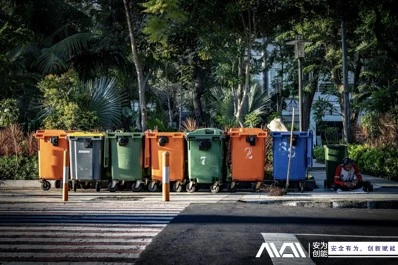
Germany's "Battery Recycling Day" initiative has increased the recycling rate from 42% to 67%, primarily through the establishment of a "deposit-refund" recycling network. Some Chinese cities have piloted "trade-in" subsidies, raising the recycling rate of AA batteries to 55%. More innovatively, augmented reality (AR) technology has been applied to environmental education, with a certain app using virtual reality to demonstrate the battery pollution process, increasing public environmental awareness by 40%.
Conclusion: Striking a Balance Between Energy and Ecology
The governance of battery pollution essentially represents a struggle between the energy revolution and ecological civilization. As we revel in the convenience of mobile payments, we should not overlook the lithium resources consumed in each transaction; as we cheer for the zero emissions of electric vehicles, we cannot ignore the carbon footprint of battery recycling. Resolving this environmental crisis demands the wisdom of policymakers, the innovation of scientists, the responsibility of entrepreneurs, and, most importantly, the awakening of every consumer-because the true green revolution begins with the moment we properly dispose of a single spent battery.